LINKS TO RELATED RESOURCES
-
National Park Service (NPS) American Latino Heritage Travel Itinerary
The Itinerary is an initiative of the NPS Heritage Education Services, in partnership with the National Conference of State Historic Preservation Officers.
These special sites preserve and tell the stories of Latino/Hispanic heritage in the United States and the role Latinos have played in American history and the development of the nation.
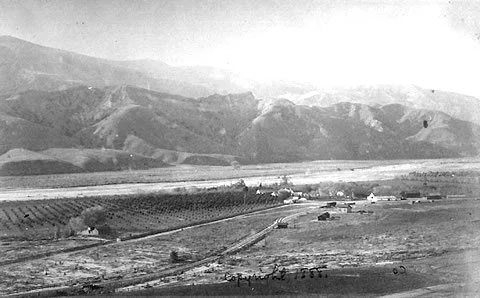
image: Aerial view of Rancho Camulos, taken for Charles Lummis’ 1888 book, The Home of Ramona. Public Domain
-
SCV History
Voluminous archive of historic photographs, documents, and videos pertaining to Rancho Camulos Museum, the Del Valle family, the Rubel family and more.
-
Charles Lummis – Rancho Camulos Cyanotype Album at the Huntington Library
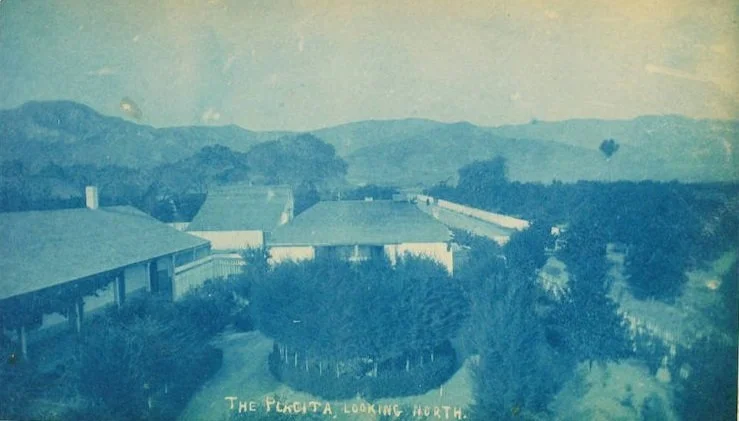
An album of 83 cyanotype photographs by Charles F. Lummis was a gift from Lummis to Susanita Del Valle in 1888. The majority of photographs depict Rancho Camulos in Ventura County, California, as well as members of the Del Valle family, who owned the rancho. Lummis included several self-portraits as well as scenes that evoke a romantic view of 19th century California ranch life. In addition, there are two original poems inscribed by Lummis to Susanita del Valle.
-
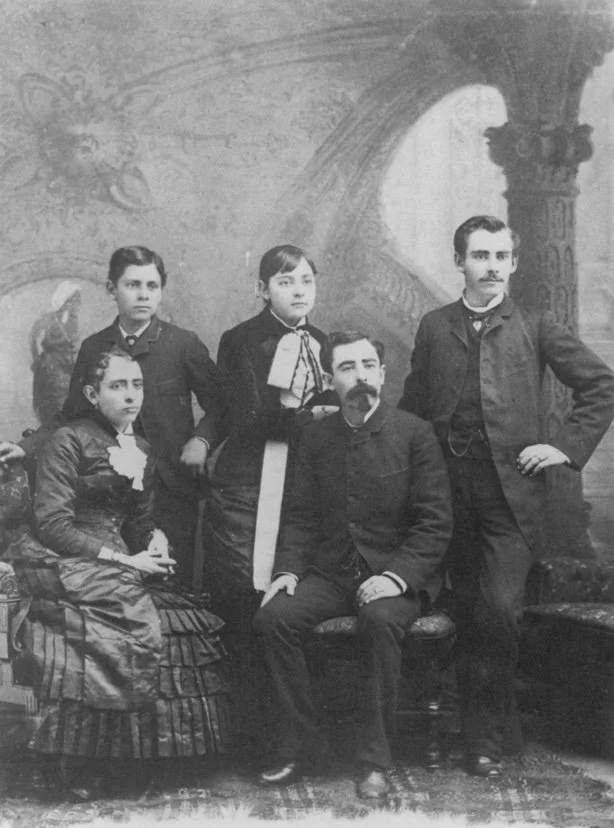
Seaver Center for Western History Research, History Collections at the Natural History Museum of Museum of Los Angeles County
In the early 1930s, Ysabel del Valle Cram – the last del Valle family member living at Rancho Camulos when it was sold in 1924 – donated ranch documents, family papers and photographs, period costumes, textiles, furniture and decorative items to what was then known as the Los Angeles County Museum. The del Valle collection comprises several hundred items. Through the 1960s, many costumes, decorative items and objects of material culture were on display at the museum in a dedicated room known as “The Del Valle Collection.” A number of documents and photographs have been digitized by the Seaver Center.
-
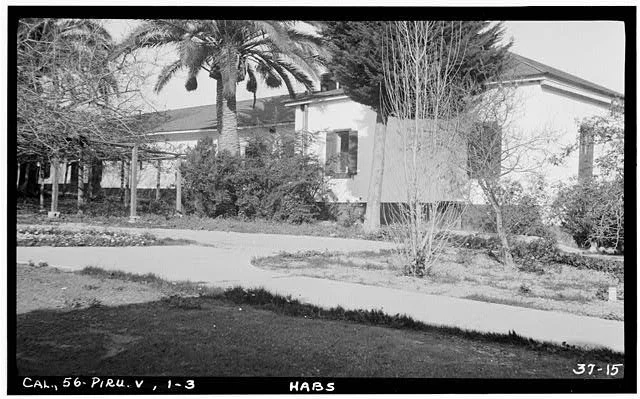
1934 Historic American Buildings Survey
Engineering Record, Landscapes Survey, Photographs and Drawings of Rancho Camulos
Administered since 1933 through cooperative agreements with the National Park Service, the Library of Congress, and the private sector, ongoing programs of the National Park Service have recorded America’s built environment in multiformat surveys comprising more than 556,900 measured drawings, large-format photographs, and written histories for more than 38,600 historic structures and sites. The survey at Rancho Camulos was done in March, 1934.
Photo: Historic American Buildings Survey, Photographed by Norris M. Knaus, March 22nd, 1934 VIEW FROM THE SOUTHWEST - Casa Del Rancho Camulos
-
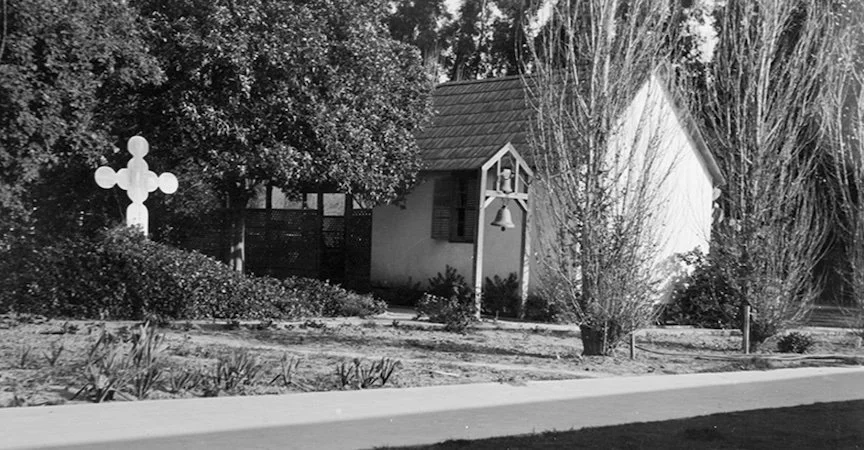
National Historic Landmark Ceremony: Article in LA Times
Rancho Camulos to Be Preserved as a Symbol of Old California, article by Ginger Orr dated May 5, 2001.
“Following a formal dedication today to recognize the national historic landmark designation, held by fewer than 2,500 places in the U.S., the hacienda-style adobe and its surrounding 40 acres of rose gardens and orange groves will be open for public tours.”
-
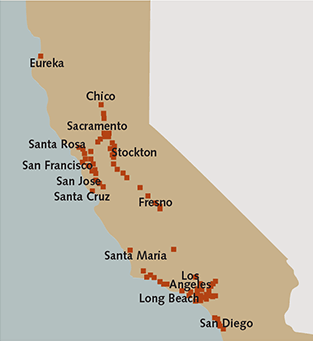
Online Archive of California (OAC)
The Online Archive of California (OAC) is a research gateway to unique and historical materials at archives, libraries, and museums throughout California.
-
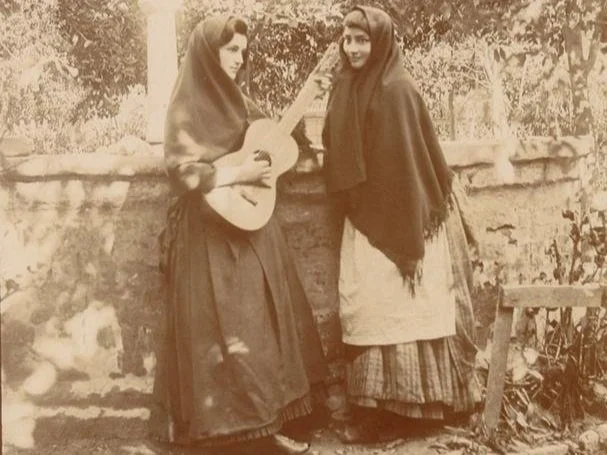
Charles Lummis - Spanish Songs Recordings at The Autry Museum
Spanish Songs of Old California is a compilation of songs and translated by Charles Lummis and published in 1923. The collection includes serenades associated with rancho life, a number of which Lummis recorded on wax cylinders at Rancho Camulos, and which are now part of the The Autry Museum of the American West in Los Angeles. The story of Lummis’s Spanish songs project can be found online at the Autry website along with digitized recordings made from the wax cylinders.
Photo: Photograph of Nina and Susana del Valle, Rancho Camulos, early 1900s. Autry Museum; P.33898
-
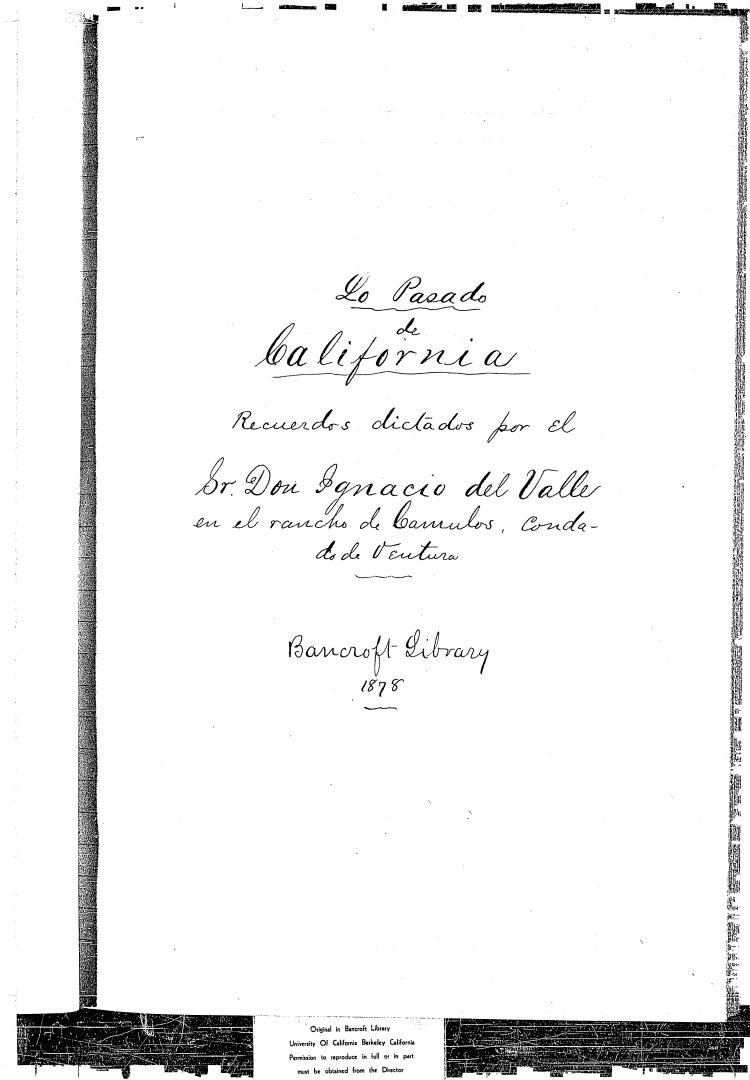
La Posada de California, 1978
A manuscript from Sr. Don Ignacio del Valle, en el rancho de Camulos, from the Bancroft Library
-
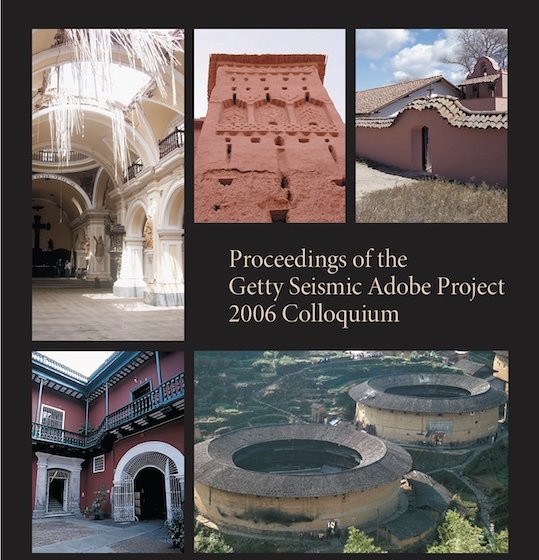
Getty Conservation Institute
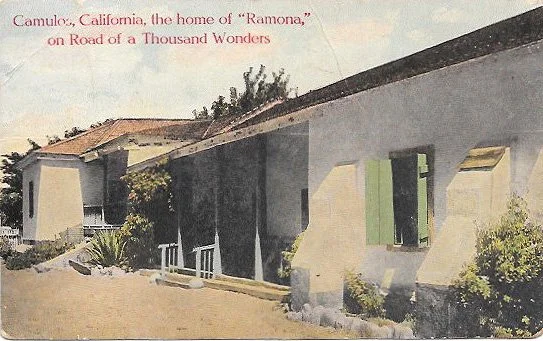
The Getty Seismic Adobe Project (GSAP) research program conducted in the 1990s by the Getty Conservation Institute (GCI) covered principal retrofit strategies in multiple buildings, demonstrating a broad range of seismic retrofit applications. The only building with particularly thin walls was the small adobe at Rancho Camulos. The small adobe was built around 1920 and has an architectural style unlike the typical 19th-century adobe, which is represented by the other buildings covered in this study. The remainder of the historic adobe buildings primarily had walls 1.6 ft. (0.5 m) to nearly 3.3 ft. (1 m) thick. The range of retrofit measures included anchorage at the floor levels and at the roof. Vertical center core rods were used both in existing adobe walls and in adobe walls that were reconstructed. Vertical straps and horizontal cables and rods were used to stabilize more severely damaged adobe walls.
-
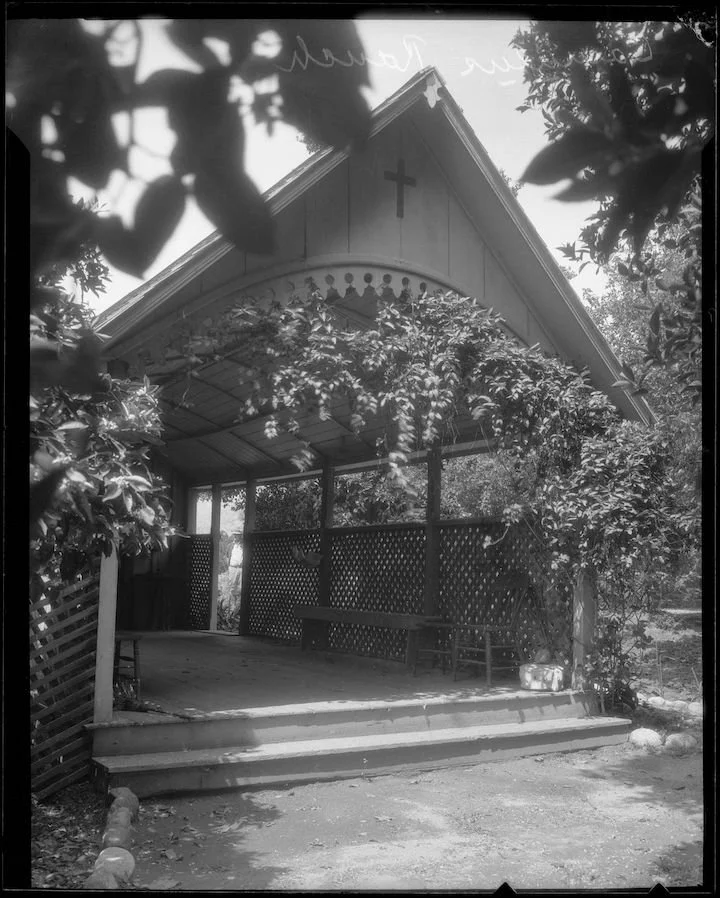
UCLA DIgital Library
The UCLA Library Digital Collections includes nine photographs of Camulos; several of farm equipment and other daily items, some of the Southern California Historical Society during a 1946 visit. The UCLA Digital Library Program preserves and provides access to local and global cultural heritage materials to support teaching, research, and expanded use of these materials.
Disaster!! St. Francis 1928
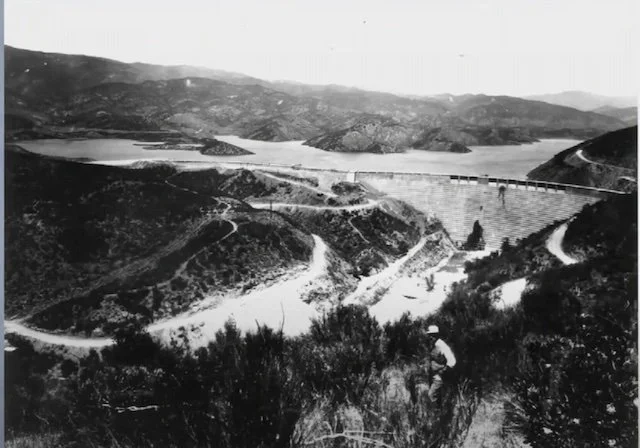
On March 12, 1928, the St. Francis Dam ruptured, creating the second-largest disaster in California history. An epic flood of water and debris traveled 55 miles through San Francisquito Canyon and the Santa Clara River Valley. More than 400 people were killed, and the towns of Piru, Fillmore, and Santa Paula were devastated.
This is the stories told by local Historians on March 2021 hosted by Rancho Camulos. Please link through to YouTube to see @MasonExploring’s complete video of the talk.